
FIELD METHOD
Prepare a civic tech programme evaluation
Create a decision-focused evidence matrix before collecting more data.
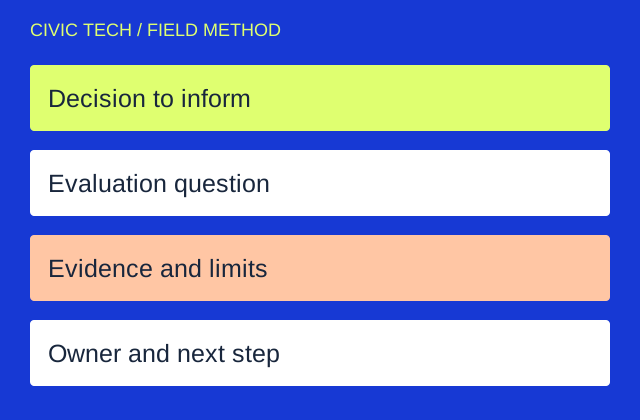
- Decision to inform
- Evaluation question
- Evidence and limits
- Owner and next step
Read the original assignment correctly
EPD’s 2023 terms of reference distinguish a pre-final assessment from a final evaluation. They specify an inception report and an evaluation matrix. These are requirements for an assignment, not the findings of a completed evaluation.
Choose the decision the evaluation should inform
Write down who will use the assessment and what they can change: a delivery process, a participation channel, an accessibility barrier or a funding design. If the user and decision are unclear, a long list of indicators will not fix the problem. Agree the question before selecting a method.
Build a matrix with competing explanations
For each question, specify the claim, evidence needed, collection method, limitations and decision owner. Include a plausible alternative explanation. More submissions could reflect a publicity campaign, a simpler form or a change in eligibility; the count alone cannot identify the cause.
Use several evidence types safely
Combine programme records, public documents, accessible interviews and anonymised activity data when appropriate. Do not collect identifiable reports just because a dashboard accepts them. Explain who may see the records, how contributors can decline and when the information will be removed.
Report what can actually be concluded
Separate verified findings, participant perceptions and unanswered questions. A recommendation needs an owner, a feasible next step and a review date. Publish a short explanation of the method alongside a visual summary so readers can understand the basis and limits of the result.
Put the method to work
Illustrative matrix row: “Can residents receive a response without a smartphone?” Compare the published contact routes with an agreed test using fictitious non-sensitive data. Record accessibility barriers and a responsible service owner. The test can assess the route; it cannot establish residents’ trust or wider democratic impact.
Download working template (CSV) ↓